Road Resurfacing in Little Rock, AR
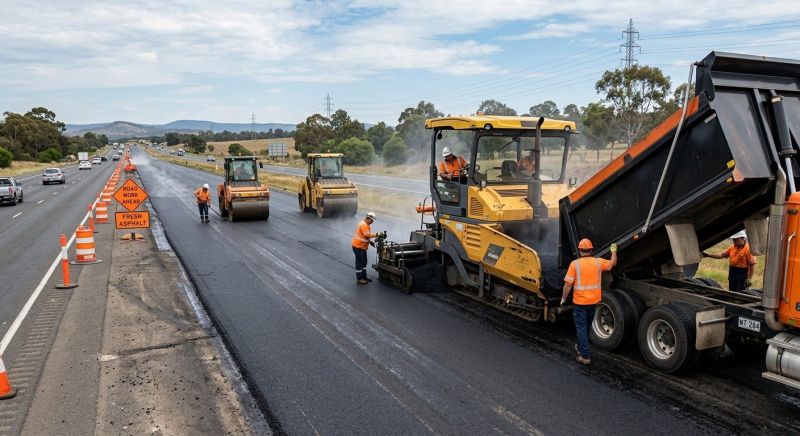
Road resurfacing services involve restoring the top layer of an existing driveway, parking lot, or roadway to improve its appearance, safety, and durability. This process typically includes removing the old surface, repairing any underlying issues, and applying a new asphalt or concrete layer. Property owners often request resurfacing for projects such as driveways that have developed cracks or potholes, parking areas showing signs of wear, or private roads needing a fresh, smooth surface to enhance curb appeal and functionality.
Before requesting road resurfacing, property owners should consider the current condition of the existing surface, including any structural damage or underlying issues that may require repairs prior to resurfacing. It’s also helpful to understand the types of materials used, the scope of the project, and how the new surface will integrate with existing features. Clarifying these details can ensure the project meets expectations for longevity, safety, and appearance.
Many property owners in Little Rock, AR look into Road Resurfacing for repairs, replacements, upgrades, and appearance-related improvements.

Benefits Of Road Resurfacing
Restores smoothness and durability to aging asphalt surfaces.
Common Resurfacing Projects
Repairs driveways, parking lots, and private roads throughout little rock and nearby areas.
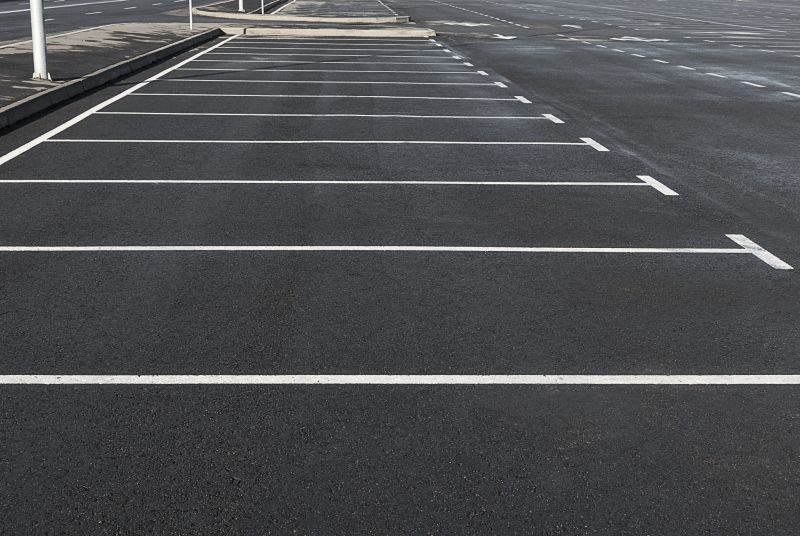
What To Expect During Resurfacing
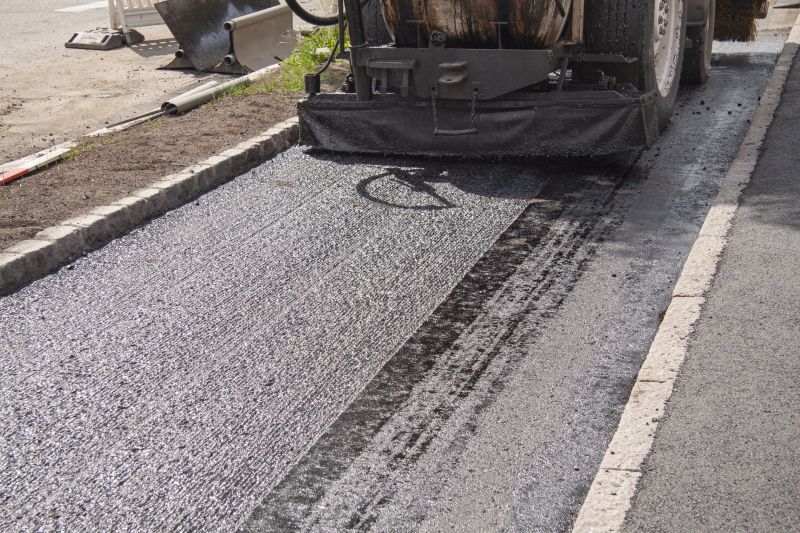
The process involves removing the top layer of damaged pavement and applying a new surface for a fresh look.
Road Resurfacing in Little Rock, AR

Road resurfacing services involve restoring the top layer of an existing driveway, parking lot, or roadway to improve its appearance, safety, and durability. This process typically includes removing the old surface, repairing any underlying issues, and applying a new asphalt or concrete layer. Property owners often request resurfacing for projects such as driveways that have developed cracks or potholes, parking areas showing signs of wear, or private roads needing a fresh, smooth surface to enhance curb appeal and functionality.
Before requesting road resurfacing, property owners should consider the current condition of the existing surface, including any structural damage or underlying issues that may require repairs prior to resurfacing. It’s also helpful to understand the types of materials used, the scope of the project, and how the new surface will integrate with existing features. Clarifying these details can ensure the project meets expectations for longevity, safety, and appearance.
Many property owners in Little Rock, AR look into Road Resurfacing for repairs, replacements, upgrades, and appearance-related improvements.
Common Road Resurfacing Jobs
Asphalt Resurfacing - restores worn pavement to improve safety and appearance.
Pothole Repair - addresses cracks and holes to prevent further damage.
Driveway Resurfacing - refreshes existing surfaces for a smooth, durable finish.
Parking Lot Resurfacing - enhances functionality and curb appeal for commercial properties.
Crack Sealing - seals small cracks to prevent water infiltration and pavement deterioration.
Overlay Projects - adds a new layer of asphalt to extend the lifespan of existing surfaces.
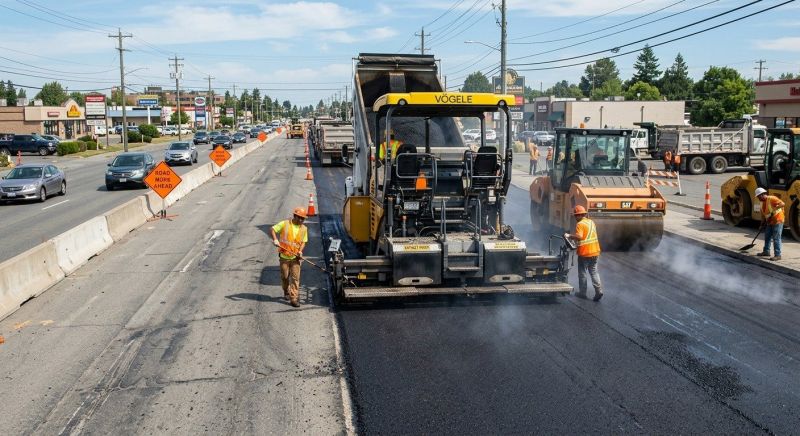
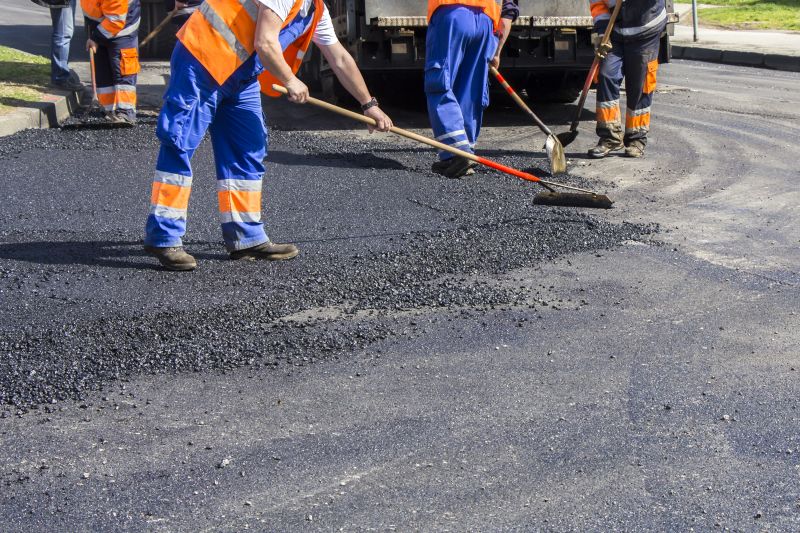

Road Resurfacing Questions
What is road resurfacing? Road resurfacing involves applying a new layer of asphalt or other materials to restore a paved surface's smoothness and durability.
When is resurfacing needed? Resurfacing is typically recommended when existing pavement shows signs of cracking, potholes, or surface deterioration.
What types of projects require resurfacing? Resurfacing is suitable for driveways, parking lots, private roads, and other paved areas needing repair or renewal.
What should property owners consider before resurfacing? It's important to assess the current condition of the pavement and choose the appropriate resurfacing method for long-lasting results.
Request Road Resurfacing in Little Rock, AR
Use the quote form on this page to share the basics of your project and request more information for the type of work you need.